Bring Back Cool Clothing Tags
When I go thrifting, there’s nothing quite as insightful as the clothing tag when I’m trying to gauge the quality of an item. A thick, itchy tag with different colored threads and playful, cursive text screams vintage. I’ve been compelled to buy clothes for the tags alone - a bit of gold or silver thread woven in and I’m sold. In these instances I know what the materials label will be before I even check: 100% wool, 100% silk, 100% cashmere…
I suppose the minimalistic tags of contemporary fashion first arose to stand out against the kitchy, playfulness of their predecessors. Perhaps at that time, these tags spoke of elegance, class, simplicity and quality in their own right. But now, I can’t help but see them as another hallmark of fast fashion.
A unique tag comes from a time when people consumed less clothing, and less clothing was produced. The consumer expected an experience from beginning to end when it came to their clothes. The tag is the first step of this journey, a proud display of craftsmanship. The tag instills trust in the creator of the garment and therefore in the garment itself. It’s a love letter to the wearer, something only they can see.
I recently learned of the vintage fashion guild’s repository of vintage tags. Scrolling through, I couldn’t help but notice that many of them looked like signatures scrawled with careful finesse. Something wonderful about this resource is that you can click on the individual tags and read more about the stories and people behind the brands. There are some labels that are having their moment today like John Fluevog and Coogi, but the majority are unknown to me.
The descriptions are delightful - of Dolce & Gabbana, they say the designs have been “overtly sexy” from the very beginning. Salvatore Ferragamo, I learn, is the person who gave Italian shoes their reputation today by revolutionizing the industry with elegance and innovation. Before his successful namesake brand, Thomas Hilfiger co-founded a chain of jean and record stores called People’s Place. Each tag is a piece of fashion history.
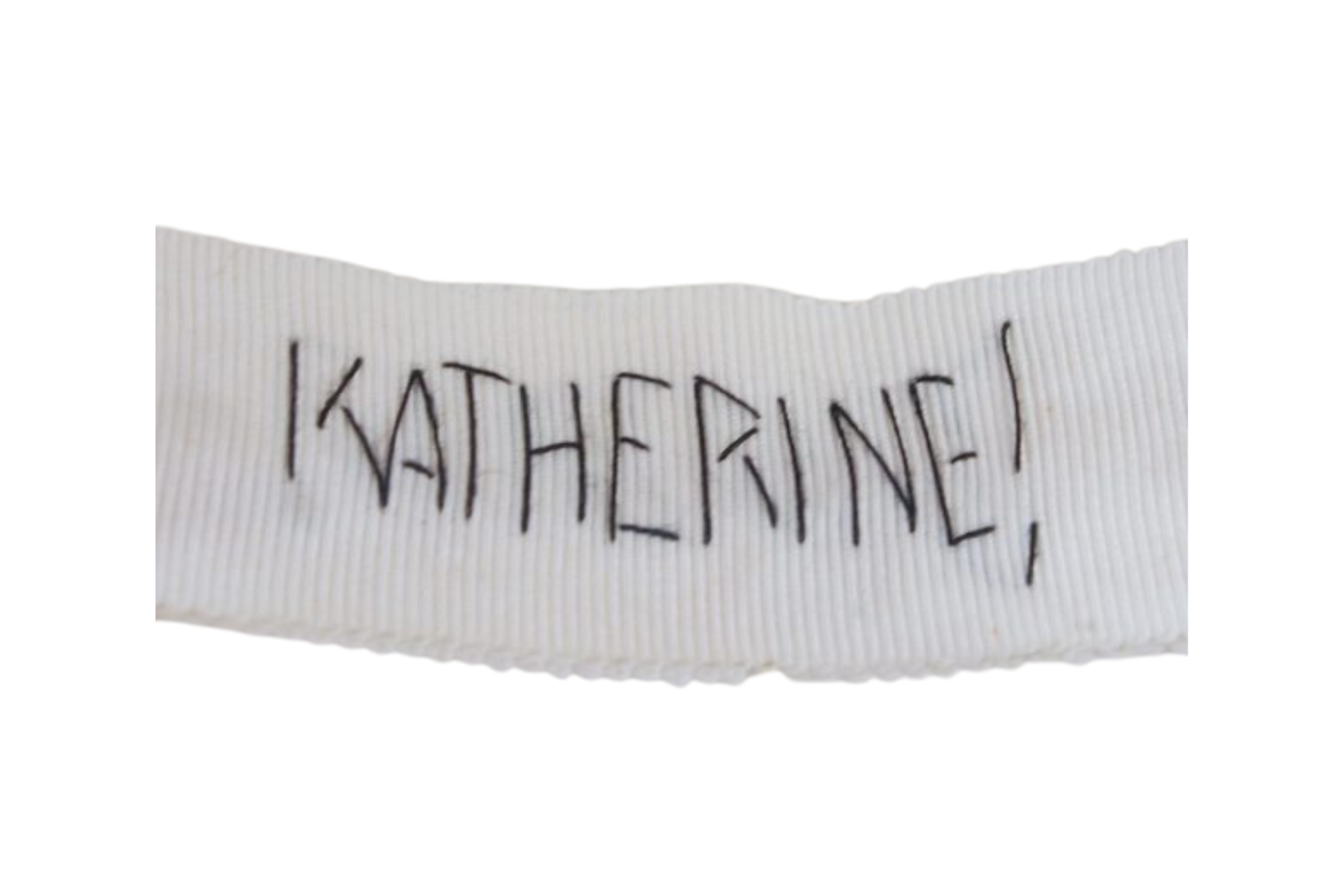
One tag in particular caught my eye - the name Katherine in all capitals, with an exclamation mark. Clicking in, I learn that each of these labels were hand sewn. I went down a rabbit hole to learn that Katherine Gellhorn, the woman behind this label, studied art in Europe and eventually Chicago before opening her millinery shop. She passed away in Spokane in 1997, and was described as a “white haired dynamo” - this was in strong accordance with her unique and irreverent label.
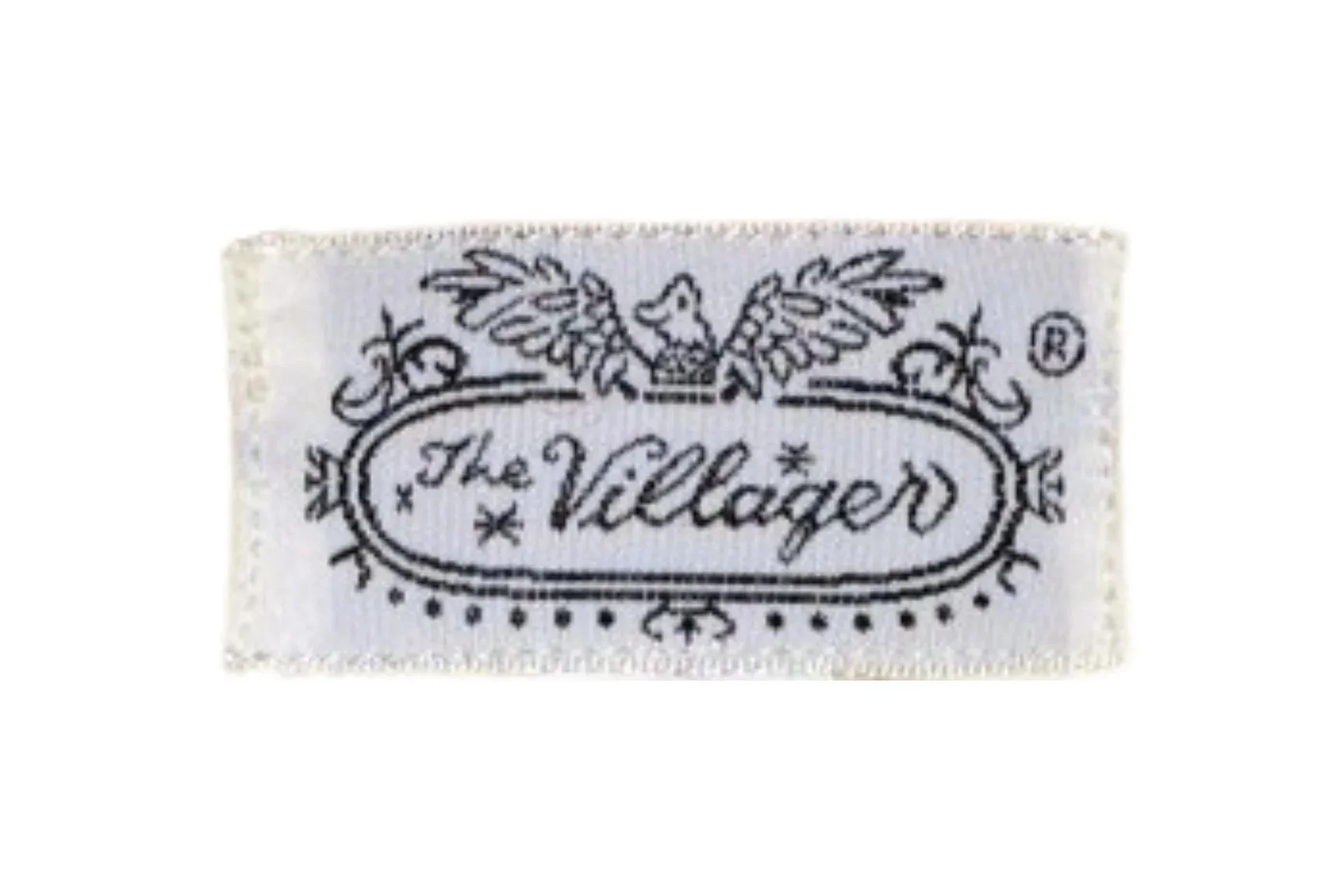
Many fashion houses have different styles of tag, each a stamp of a different era for the brand and its customers. As a vintage shopper, you can pinpoint the era a piece of clothing is from based on the version of tag.
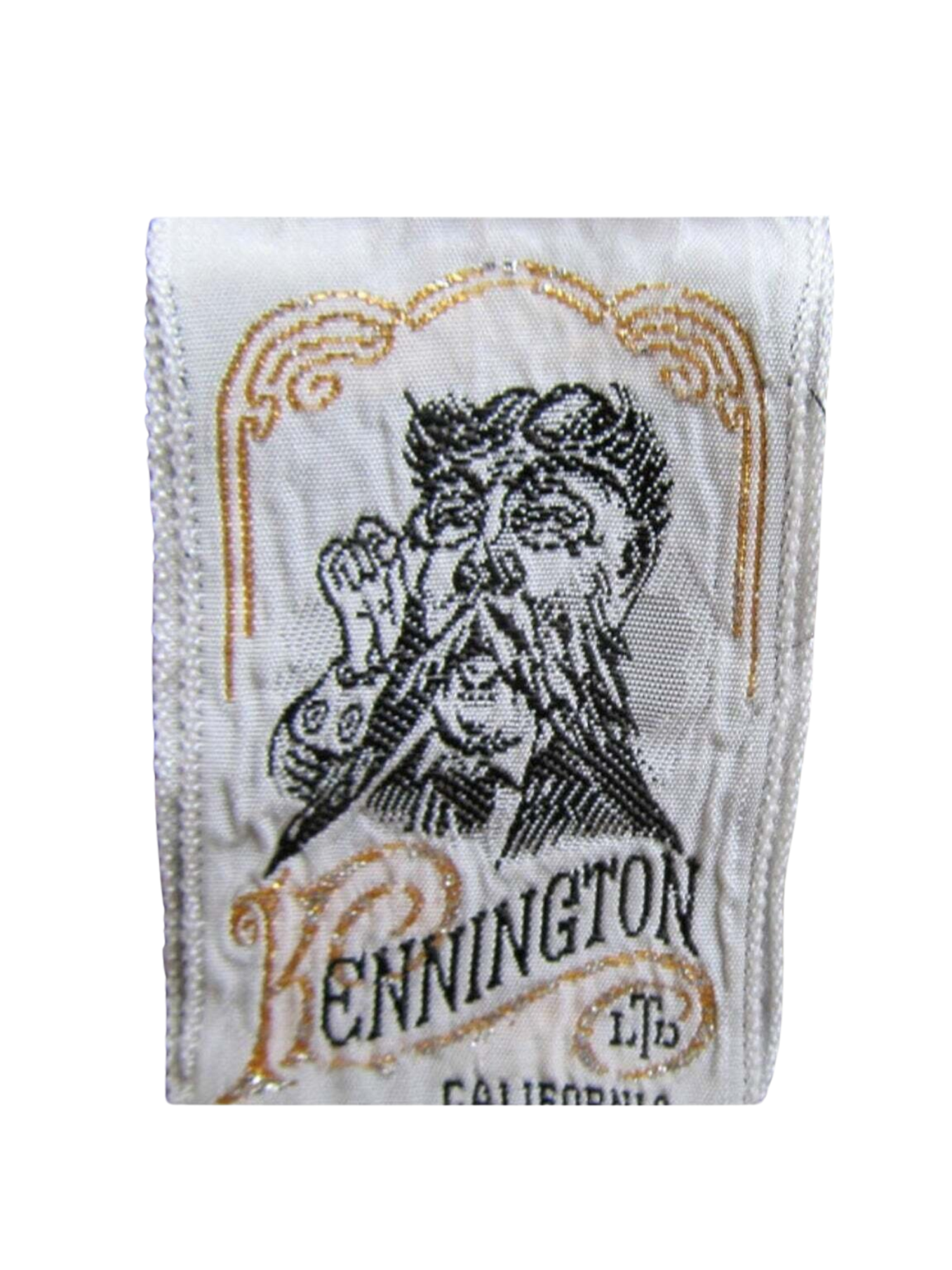
These labels are representative of heritage, and I don’t use the word in a stuffy or exclusive way. The tag distills the time, care and practice required to bring these articles into being - on almost every tag’s description you read of the designer’s journey to making clothes with their own name on the tag, often working under other fashion houses or training for many years. The tag is indicative of a mature level of expertise and pride in the creation before you, representative of its quality and the passion that guided its creation.
In contrast, the black and white tags of today float in time, having no discernable year of origin or unique essence. They lack texture, depth and context. Unlike the tags in the label resource, brands of today are not the names of their creators but rather vague words untethered to a history or experience. Who is Zara, I am Gia, Jaded London? Realistically, they are a sea of underpaid laborers churning out clothing to fuel a breakneck fashion cycle. Even legacy brands like Balenciaga, Prada or Moschino are so divorced from the men that created them that many might even be surprised to learn the first names attached to these pillars of the fashion world.
The tag is an indicator of the divestment in value we apply to our own clothes, and the lack of care and thought brands invest in their clothing. We do not demand our clothes to have a history - their story begins and ends with us. Subconsciously we accept that in exchange for clothes that are cutting edge, of the moment and within the subculture we want to situate ourselves in, we must disregard artistry, care and history.
I titled this piece “Bring Back Cool Clothing Tags”, but I don’t think that’s quite right. More so, I want to bring back what cool clothing tags represent - a pace of consumption that is slower, more conscious, and more intentional. A pace that considers the lifecycle of a garment and takes full responsibility for that journey. And a pace that delights in the stories and people behind the clothes we wear.