Uniform Follows Function - Letter from the Editor
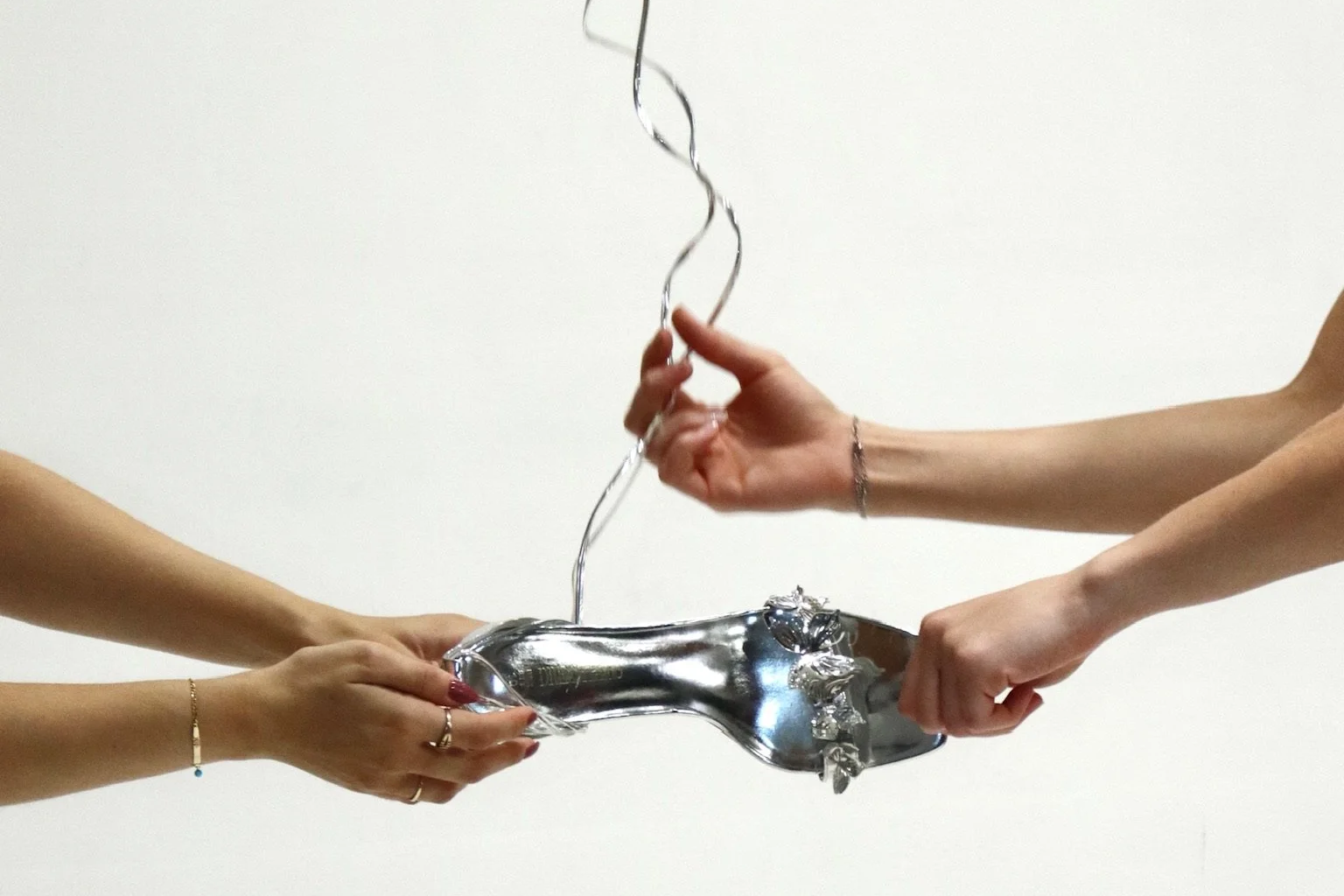
Germany’s Bauhaus movement was characterized by the concept that “form follows function”, marrying fine arts, engineering and furniture making to create mass-producible objects that were both interesting and aesthetically pleasing.
Famous pieces from this school of design include the Wassily chair (named after Wassily Kandinsky by Marcel Breuer and completely missing the concept of form follows function in my opinion - the chair is exceptionally uncomfortable), Marianne Brandt’s chrome tea diffuser and the MT8 Lamp by William Wagenfeld and Carl Jakob Jucker.
This issue takes the concept of “form follows function” and applies it to fashion. Purpose Dressing is all about the inspirations and motivations behind clothing choices, whether it be the communities we belong to, the interests we hold, our work, and even the natural influences that we draw from. Our clothing can go beyond functionality to demonstrate our values, passions and beliefs, and can even distinctly eschew functionality for a different purpose altogether.
Take Natural Selection, the last shoot in this issue, as an example. Here, we push aside the common influences on dress, like profession or climate, and indulge in the purely beautiful, impractical, and delightful. Fashion historically draws on the accidental beauty of the natural world, co-oping a leopard’s functional spots for our own aesthetic purposes. Modern advancements like heating and cooling systems have allowed us to move beyond the functional purpose of clothing as temperature regulation. Without this consideration, what can clothing become to us?
Dashboard Confessional explores the way an interest and community can define how we dress. We interviewed and photographed Star Cars Club, a group of friends in Southeast Michigan that were brought together by a love for all things automotive. Through their community they have not only shared knowledge, but fostered a friendship around an interest that informs many parts of their lives - including their fashion. This is one example of an interest that has given rise to an entire subculture with its own artistic sensibility, customs and even language.
Out of Office, our cover shoot, examines a realm of dressing that many are familiar with and grapple with: work attire. In this piece I discuss the tension between the organic self and the office persona, and how the office setting is designed to eliminate self-expression and create a sterile environment. We explore how spaces like this present a version of the hyper-real, and expect its denizens to conform in kind.
Finally, In Defense of The Performative Man delves deep into the social implications of dressing, and clothing as a signaling device - and how we may all fall victim at one time or another to constructing a reality or idea around ourselves through the shorthand of internet “cores”, and the dangers of borrowing contextless motifs to tell these stories.
There was a discussion online some months ago about creating a personal “uniform” to ease the decision paralysis of getting dressed, and also to cultivate a distinct and recognizable look. The idea that someone would want to impose a uniform on themselves, when they are usually a tool to eliminate differences and self expression, was confusing to me. But through this issue I’ve taken a different viewpoint. While seemingly paradoxical, a “personal uniform” can be used to consider one’s unique needs and values, and reclaim the concept of the uniform to craft a wardrobe that serves this higher purpose to the fullest effect. But equally interesting to me are the outfits that are the opposite of functional; the outfits that are only meant to be beautiful, a celebration of color, texture and silhouette. Which is a purpose in its own right. As you explore this issue, I invite you to consider how your own “uniform” might follow or deviate from its functions.